

Definition
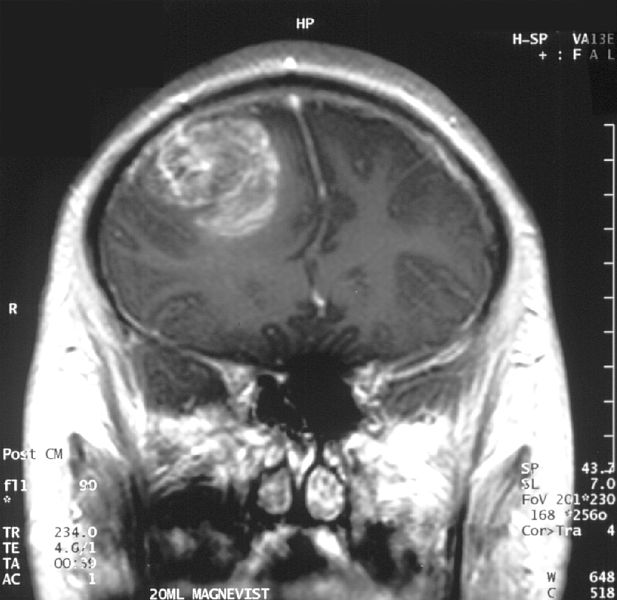
Glioblastoma (GBM) is a WHO Grade IV astrocytoma, representing the most aggressive primary brain tumor in adults. It arises from astrocytes and is highly infiltrative, making complete surgical resection difficult.
Epidemiology
- Most common primary malignant brain tumor in adults.
- Peak incidence: 45–70 years.
- Slight male predominance.
Pathophysiology / Molecular Markers
- IDH-wildtype: Most GBMs; poor prognosis.
- IDH-mutant GBM: Less common; slightly better prognosis.
- MGMT promoter methylation: Predicts better response to temozolomide.
- EGFR amplification, PTEN loss, TP53 mutations can be present.
Clinical Presentation
- Headache, nausea, vomiting
- Seizures
- Focal neurologic deficits (depending on tumor location)
- Cognitive changes
Standard Treatment
- Maximal safe surgical resection – to reduce tumor burden.
- Radiotherapy (RT) – usually 60 Gy in 30 fractions.
- Concurrent and adjuvant chemotherapy – temozolomide (TMZ):
Recurrent GBM options:
- Bevacizumab (anti-VEGF)
- Lomustine (CCNU)
- Clinical trials (CAR-T, tumor-treating fields, experimental targeted therapy)
Pharmacist-Relevant Considerations
- Temozolomide: myelosuppression (monitor CBC), nausea (antiemetics recommended), minimal CYP interactions.
- Corticosteroids (dexamethasone): used to control cerebral edema; monitor glucose, infection risk, GI protection.
- Seizure prophylaxis: Levetiracetam preferred due to low interaction potential.
- Supportive care: Antiemetics, PJP prophylaxis if prolonged immunosuppression, monitoring for infection.
- Drug interactions: Watch additive myelosuppression with concurrent therapies.
Synonyms
GBM, Glioblastoma Multiform